Visual Reference
Common Water Damage Scenarios
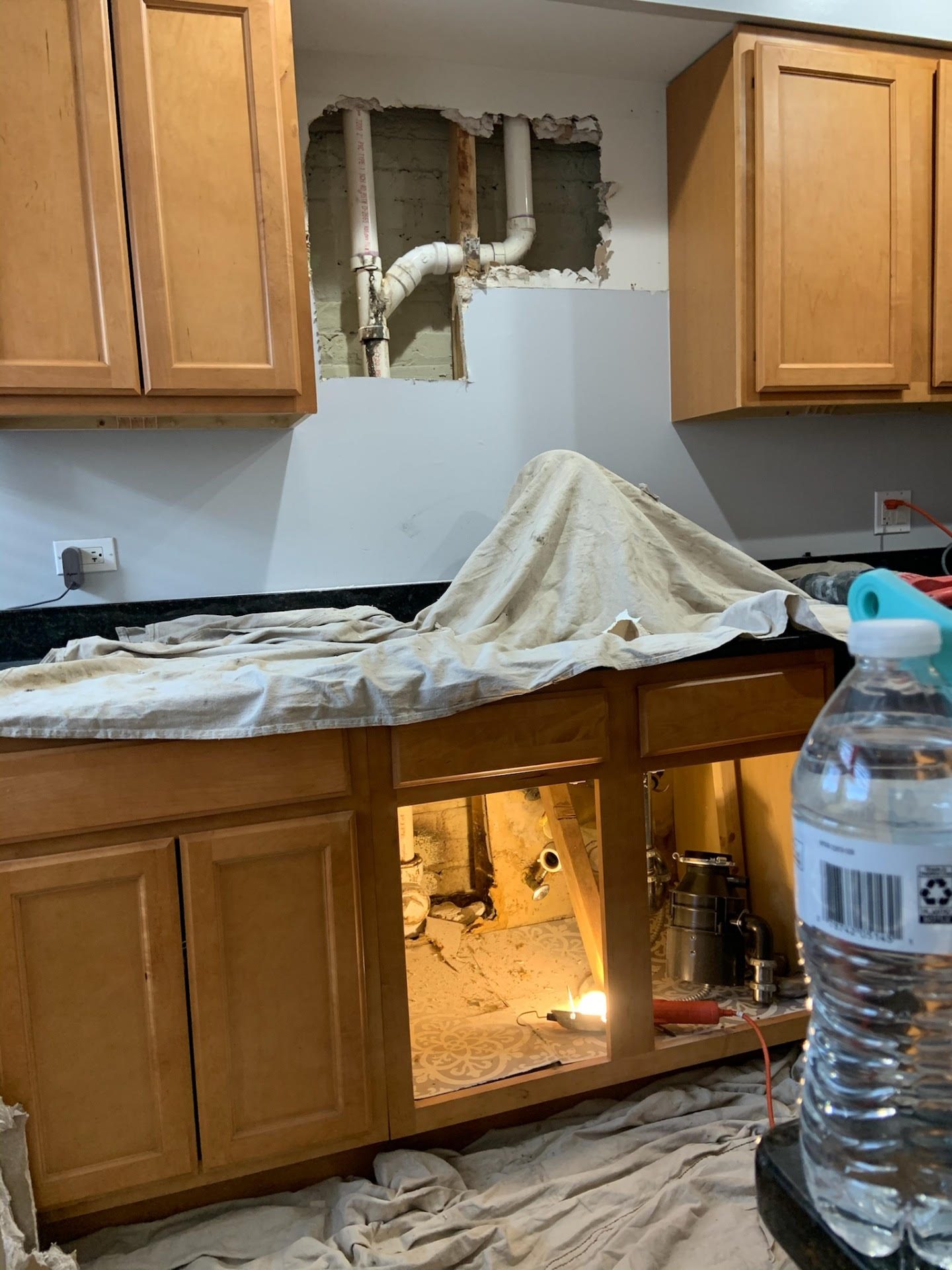
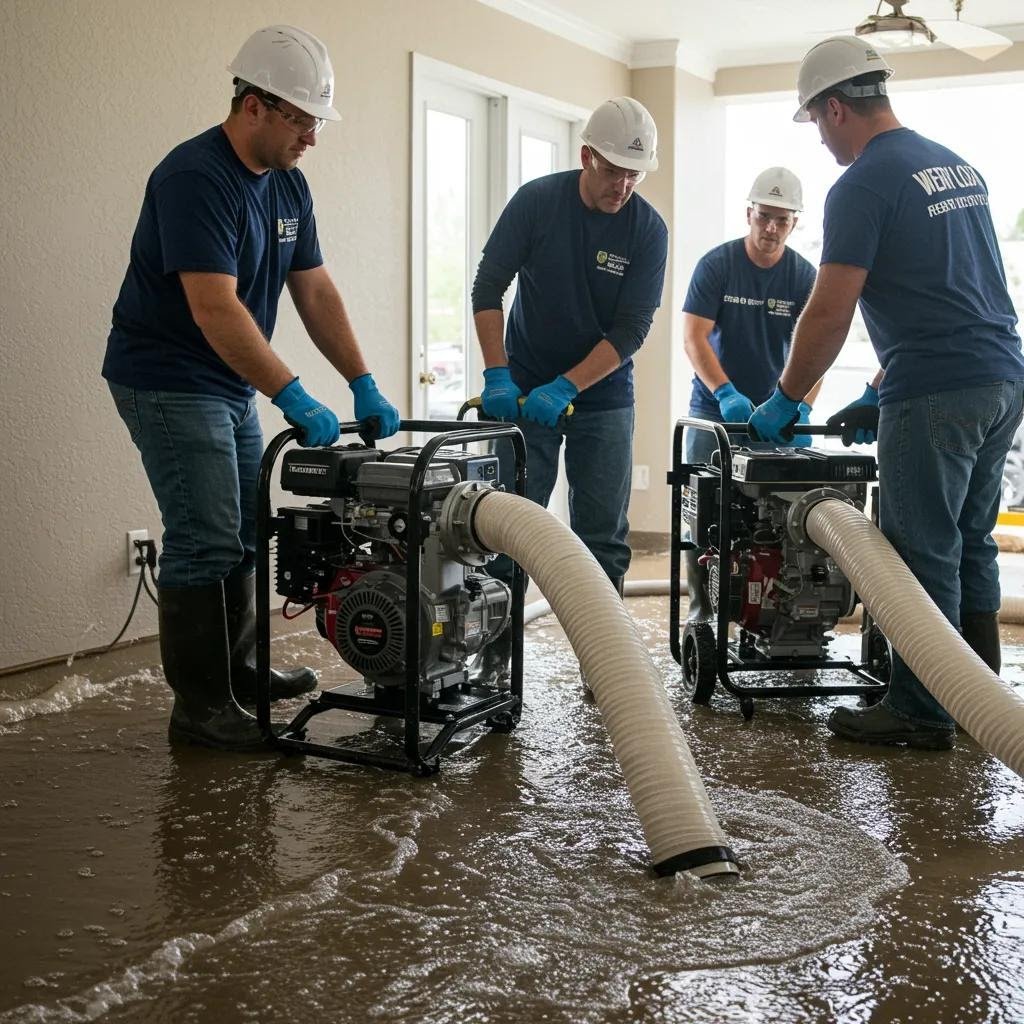
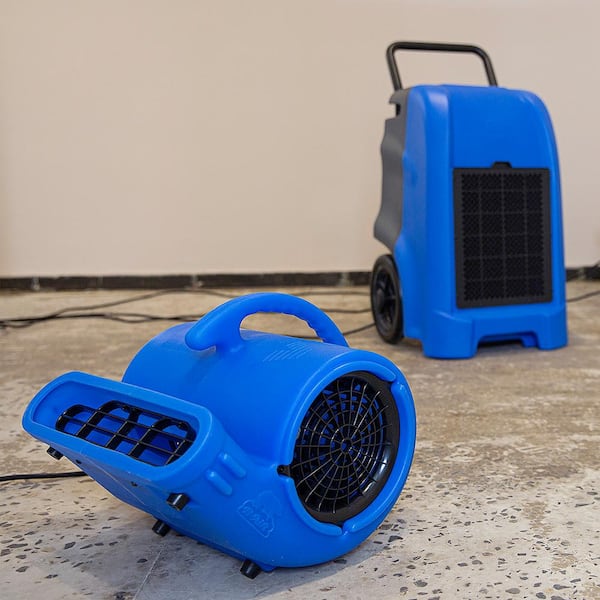
Essential knowledge to help you respond effectively to water damage, understand its causes, and take steps to prevent it from happening in the first place.
The actions you take in the first few hours after discovering water damage can significantly impact the severity of the damage and the cost of restoration. While it is natural to feel overwhelmed, following a clear set of steps will help you protect your property and your health.
Before entering any water-damaged area, assess the situation for safety hazards. If water is in contact with electrical outlets, appliances, or wiring, do not enter the area until the power has been shut off at the main breaker. If you smell gas or suspect structural damage, evacuate the building and contact emergency services immediately.
If the water damage is caused by a plumbing failure, shut off the main water supply to your property. For appliance-related leaks, turn off the water supply valve to the specific appliance. If the source is external, such as storm flooding, focus on protecting your belongings and contact a restoration professional.
Before moving anything or beginning cleanup, take extensive photographs and video of all affected areas. Document the water level, damaged items, and the overall condition of each room. This documentation is essential for insurance claims and will help your restoration team understand the full scope of the damage.
Important: Do not throw away damaged items before your insurance adjuster has had a chance to inspect them. Keep everything in place and document it thoroughly.
Notify your insurance company as soon as possible. Most policies require prompt reporting of water damage. Provide them with your initial documentation and ask about your coverage, deductible, and the claims process. Many restoration companies, including ours, work directly with insurance providers to streamline this process.
Professional water damage restoration should begin as quickly as possible, ideally within the first 24 hours. Certified restoration companies have the equipment, expertise, and protocols to extract water, dry your property, and prevent secondary damage like mold growth. Attempting to handle significant water damage on your own can lead to incomplete drying and long-term problems.
While waiting for professional help, move lightweight valuables, electronics, and important documents to a dry area. Place aluminum foil or wooden blocks under furniture legs to prevent staining on wet carpets. If possible, remove area rugs and hang wet fabrics to air dry.
Understanding the most frequent causes of water damage can help you identify vulnerabilities in your property and take preventive action before a problem occurs.
Burst pipes, leaking joints, and corroded supply lines are among the most common causes of indoor water damage. Pipes can burst due to freezing temperatures, excessive water pressure, or age-related deterioration. Even small, slow leaks can cause significant damage over time if they go undetected behind walls or under floors.
Washing machines, dishwashers, water heaters, and refrigerators with ice makers all have water supply connections that can fail. Rubber supply hoses are particularly prone to bursting, especially as they age. A single appliance failure can release hundreds of gallons of water into your home within hours.
Damaged or aging roofing materials, missing shingles, and deteriorated flashing around vents and chimneys allow rainwater to penetrate into your attic and walls. Roof leaks often go unnoticed until significant damage has already occurred, making regular roof inspections an important preventive measure.
Cracks in your foundation, poor drainage around your property, and hydrostatic pressure from saturated soil can force water into your basement or crawl space. Sump pump failures during heavy rain events are another common cause of basement flooding.
Air conditioning systems produce condensation that is normally drained away through a condensate line. When these lines become clogged or the drain pan overflows, water can leak into ceilings, walls, and floors. Regular HVAC maintenance can prevent these issues.
Hurricanes, severe storms, flash floods, and heavy rainfall can overwhelm drainage systems and cause widespread water intrusion. While you cannot prevent natural disasters, proper preparation, including flood insurance and property hardening, can significantly reduce their impact.
Many water damage events are preventable with regular maintenance and a few smart investments. Here are practical steps you can take to protect your property.
Have a licensed plumber inspect your plumbing system annually. They can identify corroded pipes, weak joints, and potential failure points before they cause a problem. Pay special attention to supply lines for washing machines, dishwashers, and water heaters, and replace rubber hoses with braided stainless steel versions.
An unexplained increase in your water bill is often the first sign of a hidden leak. If your usage spikes without a clear reason, investigate promptly. Many smart home water monitors can detect unusual flow patterns and alert you to potential leaks in real time.
Inspect your roof at least twice a year and after major storms. Clean gutters and downspouts regularly to ensure proper drainage away from your foundation. Extend downspouts at least six feet from your home and ensure the ground slopes away from the foundation on all sides.
Pro Tip: Install water leak detectors near washing machines, water heaters, dishwashers, and in basements. These inexpensive devices can alert you to leaks before they cause major damage.
In cold climates, insulate exposed pipes in attics, crawl spaces, and exterior walls. During extreme cold, allow faucets to drip slightly to prevent pressure buildup in frozen pipes. If you plan to be away during winter, keep your thermostat set to at least 55 degrees Fahrenheit.
If your property has a sump pump, test it regularly by pouring water into the pit and verifying that it activates and drains properly. Consider installing a battery backup system to ensure it operates during power outages, which often coincide with heavy storms.
Every member of your household should know the location of the main water shutoff valve and how to operate it. In an emergency, shutting off the water supply quickly can prevent thousands of dollars in additional damage.
Modern smart water shutoff valves can detect abnormal water flow and automatically shut off the supply before a leak causes significant damage. Combined with leak sensors placed throughout your property, these systems provide an effective early warning and response network.
Our restoration experts are here to help. Whether you are dealing with an active emergency or want to learn more about protecting your property, we are just a message away.